Treating Borderline Personality
Evidence-Based Individual Therapy
Therapy for intense emotions and relationship difficulties that emphasizes stability, self-awareness, and meaningful change.

Start Therapy Sooner


Virtual & In-Person Sessions

Thoughtful, Collaborative Care

Borderline Personality Disorder Can Feel Like:
Feeling emotions so intensely that they quickly become overwhelming or difficult to manage
Wanting closeness and connection in relationships while also fearing rejection, abandonment, or being hurt
Feeling unsure of who you are, what you want, or how to feel stable in yourself over time
Experiencing relationships as emotionally intense, unpredictable, or difficult to navigate consistently
Reacting strongly in moments that later leave you feeling regret, shame, confusion, or emotional exhaustion
Struggling to feel settled, secure, or consistently connected to yourself and other people
Feeling exhausted from constantly trying to manage overwhelming emotions, relationship stress, or fears of being alone
Borderline personality disorder can make emotions and relationships feel intense, unpredictable, and difficult to navigate.
There are ways to start feeling more like yourself again. At ALPS, we use a range of therapy approaches to help you get there.
-
Rather than trying to eliminate painful thoughts or emotions, ACT helps you respond to them differently. You learn how to step back from unhelpful patterns and focus your energy on what’s important to you. Even when things feel difficult, the goal is to keep moving toward a life that feels more meaningful and fulfilling.
-
Through CBT, we explore the connections between your thoughts, emotions, and behaviors. You learn to recognize patterns that may be keeping you stuck and develop more helpful ways of responding. Over time, this can reduce emotional distress and make situations feel more manageable. The goal is to build practical skills you can use in your everyday life.
-
Dialectical Behavioral Therapy helps you develop practical strategies for managing overwhelming emotions, navigating stress, and responding to situations in ways that feel more effective and grounded. Rather than feeling controlled by intense reactions or stuck in unhealthy patterns, you learn skills for slowing things down, tolerating distress, communicating more clearly, and staying connected to what matters to you. Over time, these tools can help create greater emotional stability, improve relationships, and make difficult moments feel more manageable.
-
IFS helps you better understand the different “parts” of yourself that may hold emotions, reactions, beliefs, or coping patterns shaped by past experiences. Rather than viewing these parts as problems to eliminate, this approach focuses on understanding them with greater curiosity and compassion while strengthening your ability to feel more grounded and connected to yourself as a whole. Over time, IFS can help reduce internal conflict, improve emotional regulation, and create a greater sense of clarity, balance, and self-understanding.

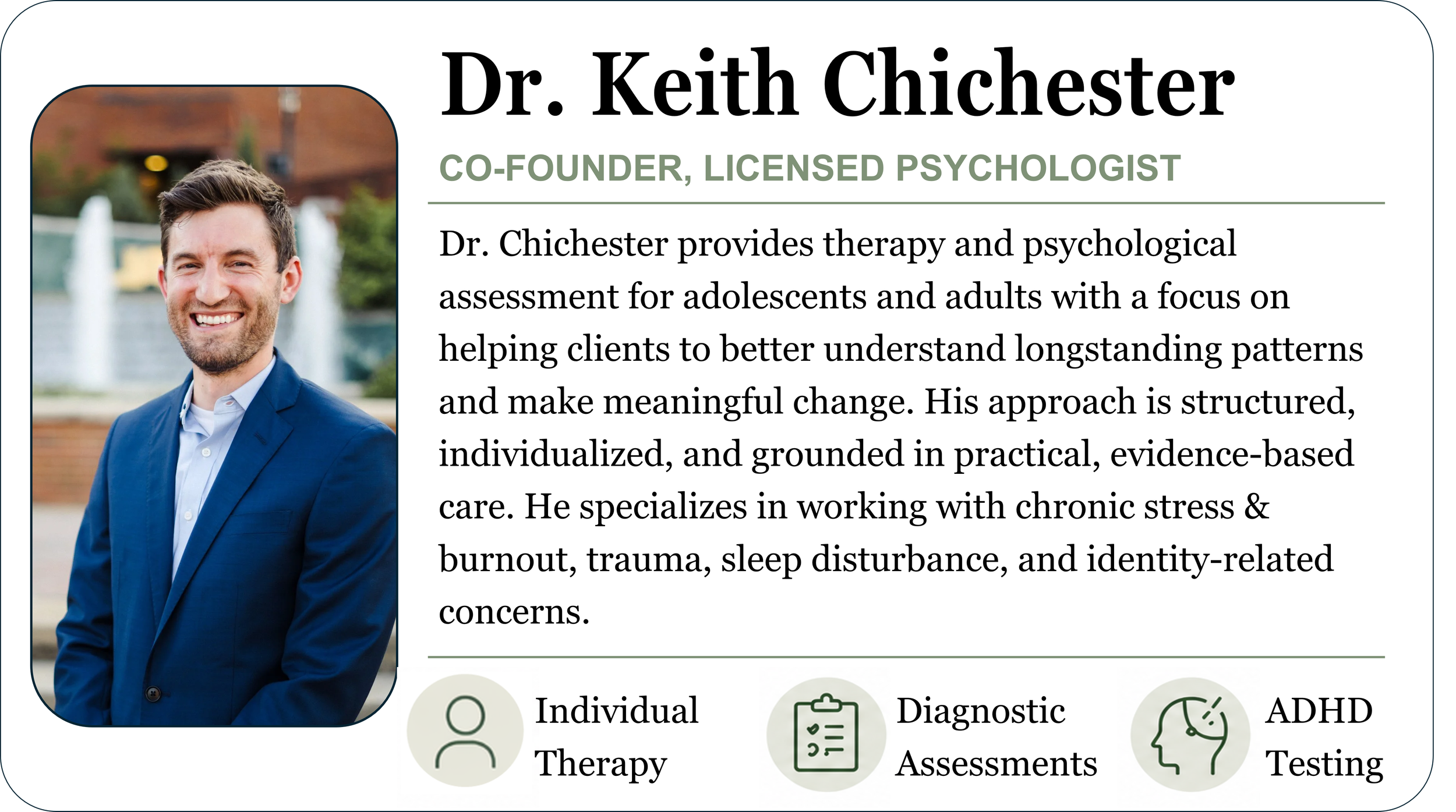
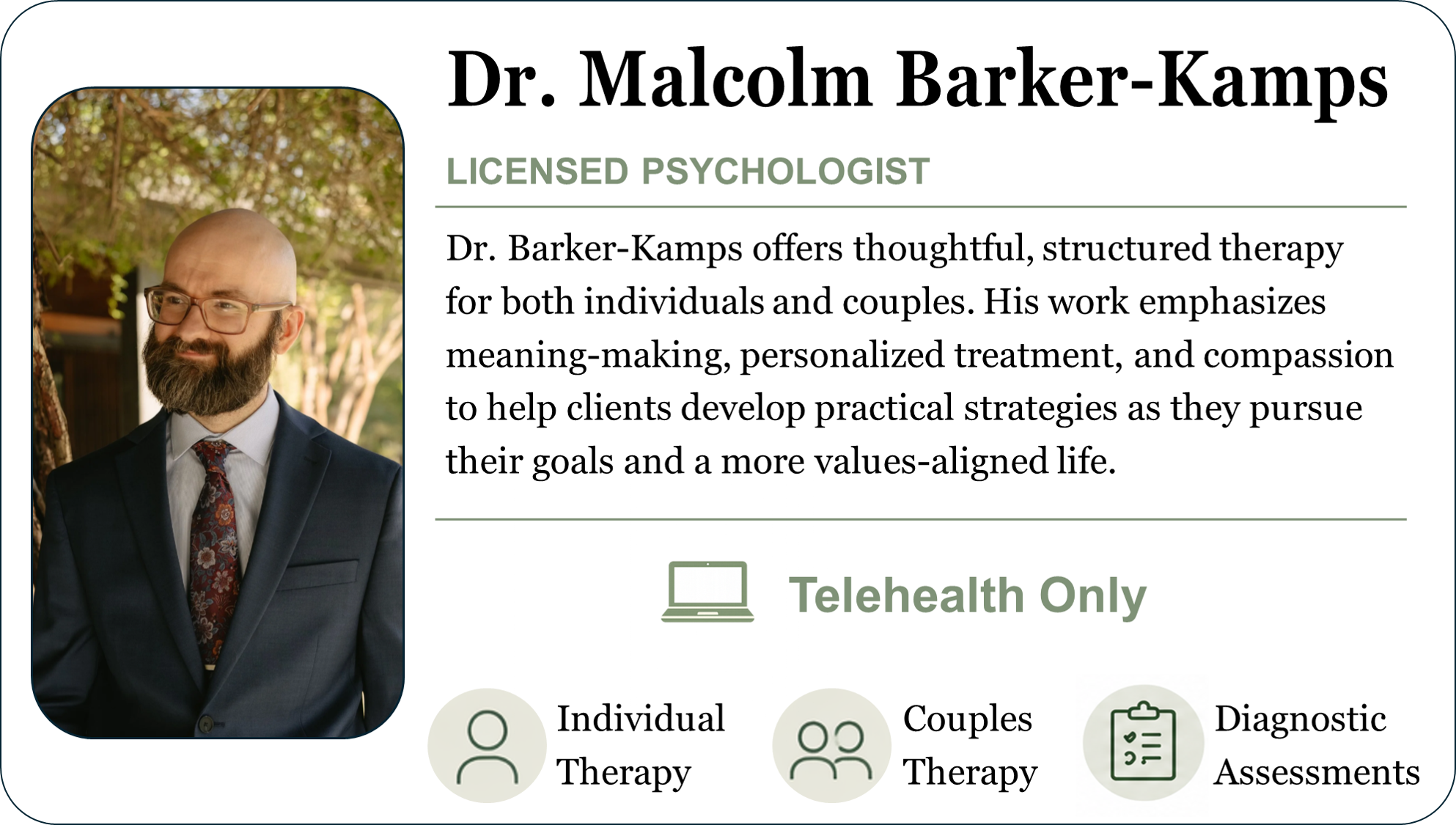
ALPS Providers Who Treat Borderline Personality Disorder