Treating Chronic Pain
Evidence-Based Individual Therapy
Expert-led depression therapy focused on helping you regain motivation, improve mood, and reconnect with what matters in your life.
Start Therapy Sooner

Virtual & In-Person Sessions
Thoughtful, Collaborative Care

Chronic Pain Can Feel Like:
Feeling exhausted from constantly managing pain, discomfort, or physical limitations throughout the day
Wanting to participate more fully in life while feeling limited by unpredictable symptoms or flare-ups
Feeling disconnected from parts of life that used to feel easier, more enjoyable, or more manageable
Worrying about how pain may continue affecting your future, independence, or quality of life over time
Feeling emotionally drained from constantly needing to adapt plans, routines, or expectations around symptoms
Feeling discouraged by the cycle of stress, pain, fatigue, and emotional overwhelm that can build over time
Missing feeling comfortable, capable, or fully present in your own body
Chronic pain can make daily life feel exhausting, unpredictable, and difficult to navigate consistently.
There are ways to start feeling more like yourself again. At ALPS, we use a range of therapy approaches to help you get there.
-
Rather than trying to eliminate painful thoughts or emotions, ACT helps you respond to them differently. You learn how to step back from unhelpful patterns and focus your energy on what’s important to you. Even when things feel difficult, the goal is to keep moving toward a life that feels more meaningful and fulfilling.
-
BA focuses on small, realistic changes in your daily routines and activities that can gradually improve mood and energy. When it becomes harder to stay engaged, this approach helps you gently reintroduce structure and meaningful action. Over time, these small shifts can build momentum and make it easier to reconnect with your life.
-
Through CBT, we explore the connections between your thoughts, emotions, and behaviors. You learn to recognize patterns that may be keeping you stuck and develop more helpful ways of responding. Over time, this can reduce emotional distress and make situations feel more manageable. The goal is to build practical skills you can use in your everyday life.
-
Mindfulness and relaxation-based approaches help you develop greater awareness of your thoughts, emotions, and physical responses while learning ways to slow down and reduce overwhelm. Together, we work on building practical skills that support grounding, stress reduction, emotional regulation, and a greater sense of presence in daily life. Over time, these strategies can help you feel calmer, more connected to yourself, and better able to navigate difficult moments with flexibility and intention.
-
Sensorimotor Psychotherapy focuses on the connection between the mind and body, especially how stress and difficult experiences can become stored physically over time. This approach helps you notice patterns in emotions, physical sensations, and automatic reactions while developing tools to feel more grounded and regulated. Rather than focusing only on talking through experiences, therapy also works with the body’s responses to help create a greater sense of safety, stability, and connection to yourself.

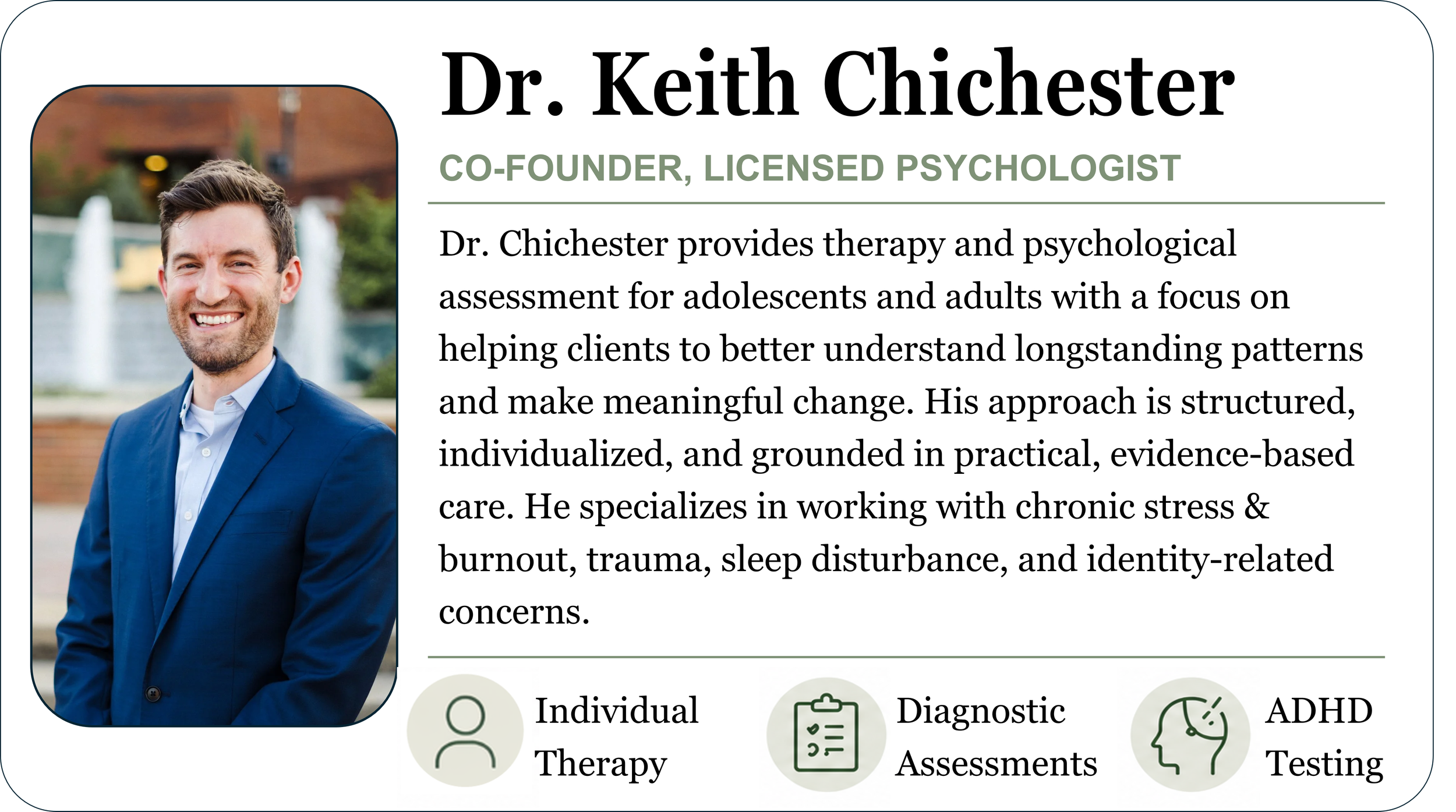
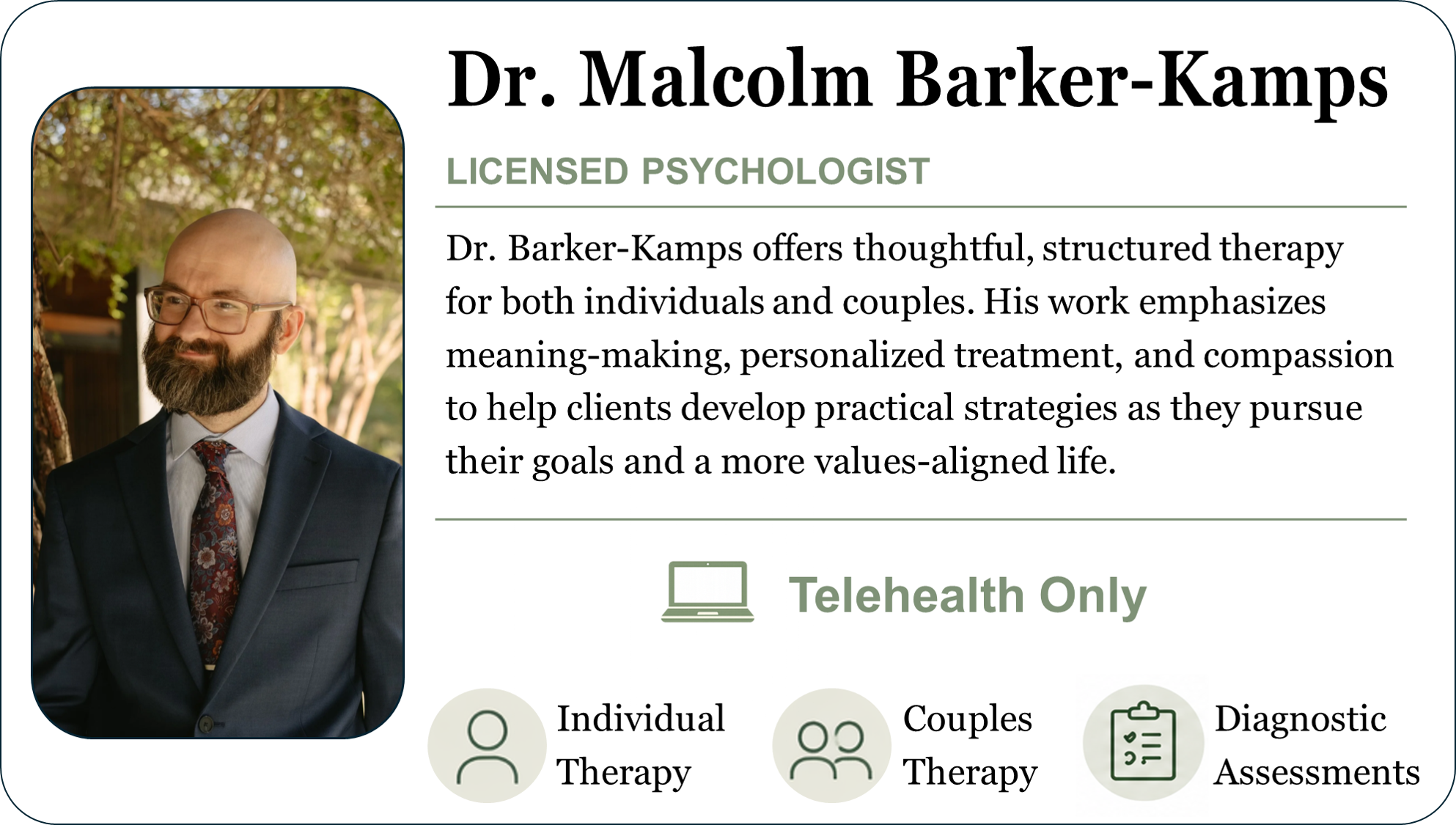
ALPS Providers Who Treat Chronic Pain