Treating Panic Attacks
Evidence-Based Individual Therapy
Specialized therapy for panic attacks to help you better understand symptoms and regain a sense of stability and confidence in daily life.

Start Therapy Sooner


Virtual & In-Person Sessions

Thoughtful, Collaborative Care

Panick Attacks Can Feel Like:
Sudden waves of intense fear that seem to come out of nowhere
Racing heartbeat, dizziness, chest tightness, or difficulty catching your breath
Worrying constantly about when the next panic attack might happen
Avoiding places, driving, crowds, or situations because they feel unsafe
Feeling disconnected from yourself or your surroundings during moments of panic
Struggling with the fear that something terrible could happen during an attack
Becoming exhausted from staying alert to physical sensations or possible triggers
Panic attacks can affect how safe, present, and in control you feel in your daily life.
There are ways to start feeling more like yourself again. At ALPS, we use a range of therapy approaches to help you get there.
-
Rather than trying to eliminate painful thoughts or emotions, ACT helps you respond to them differently. You learn how to step back from unhelpful patterns and focus your energy on what’s important to you. Even when things feel difficult, the goal is to keep moving toward a life that feels more meaningful and fulfilling.
-
Through CBT, we explore the connections between your thoughts, emotions, and behaviors. You learn to recognize patterns that may be keeping you stuck and develop more helpful ways of responding. Over time, this can reduce emotional distress and make situations feel more manageable. The goal is to build practical skills you can use in your everyday life.
-
Interoceptive Exposure helps reduce the fear and avoidance that often develop around the physical sensations associated with panic attacks and anxiety. Together, we gradually practice experiencing certain bodily sensations in a safe, controlled way so they begin to feel less threatening over time. The goal is to help you build confidence in your ability to tolerate discomfort and reduce fear around panic symptoms.
-
Prolonged Exposure is a structured therapy approach designed to help people gradually process and reduce fear related to traumatic memories, situations, or experiences they may have been avoiding. Together, we work at a manageable pace to help you approach difficult thoughts, memories, and situations in a safe and supported way rather than continuing patterns of avoidance. Over time, this can reduce emotional distress, lessen the intensity of fear responses, and help daily life feel more manageable and less restricted by trauma or anxiety.
-
Sensorimotor Psychotherapy focuses on the connection between the mind and body, especially how stress and difficult experiences can become stored physically over time. This approach helps you notice patterns in emotions, physical sensations, and automatic reactions while developing tools to feel more grounded and regulated. Rather than focusing only on talking through experiences, therapy also works with the body’s responses to help create a greater sense of safety, stability, and connection to yourself.

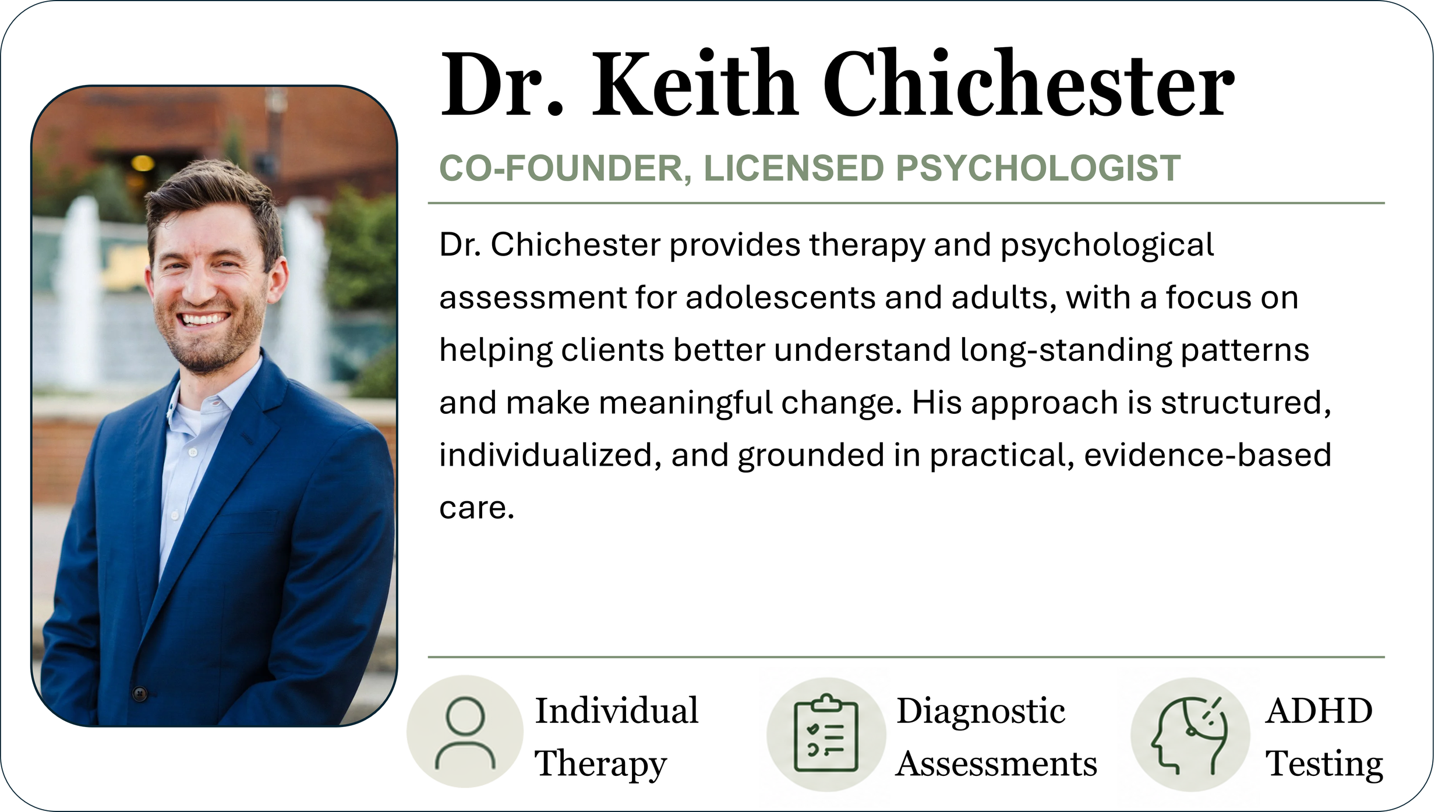
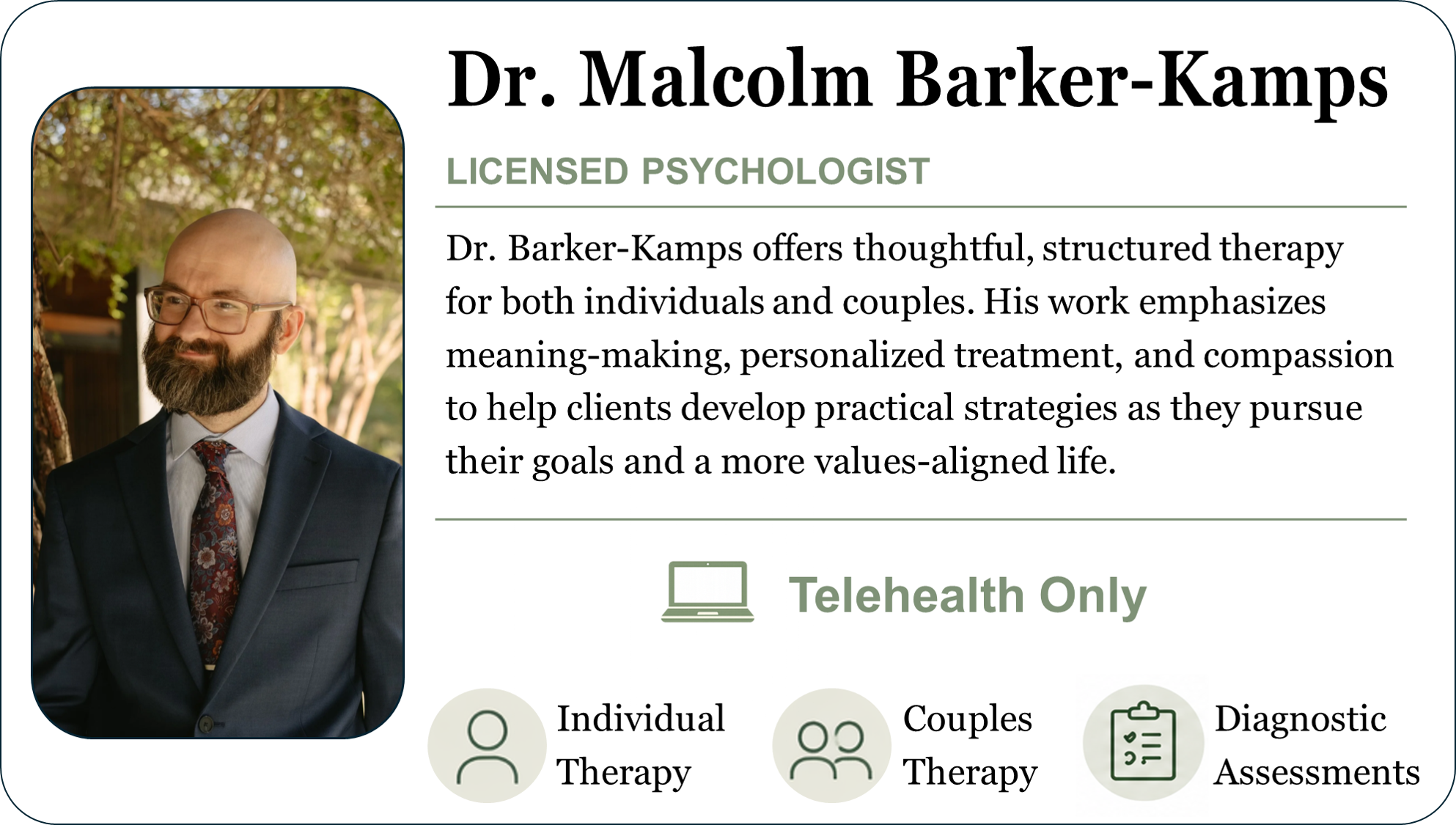
ALPS Providers Who Treat Panic Attacks