Treating Anxiety
Evidence-Based Individual Therapy
Evidence-based anxiety therapy focused on helping you break cycles of overthinking, mental overload, avoidance, and constant stress.

Start Therapy Sooner

Virtual & In-Person Sessions

Thoughtful, Collaborative Care

Anxiety Can Feel Like:
Constant overthinking that makes it hard to relax or feel present
Avoiding situations because they feel overwhelming or emotionally exhausting
Trouble slowing your thoughts down enough to sleep or focus
Feeling stuck between wanting certainty and never feeling fully reassured
Physical symptoms like tension, restlessness, racing heart, or fatigue
Difficulty enjoying downtime because your mind keeps jumping ahead
Feeling pressure to hold everything together while internally feeling overwhelmed
Anxiety can affect how you think, feel, and move through daily life even when others can’t see it on the outside.
There are ways to start feeling more like yourself again. At ALPS, we use a range of therapy approaches to help you get there.
-
Rather than trying to eliminate painful thoughts or emotions, ACT helps you respond to them differently. You learn how to step back from unhelpful patterns and focus your energy on what’s important to you. Even when things feel difficult, the goal is to keep moving toward a life that feels more meaningful and fulfilling.
-
Through CBT, we explore the connections between your thoughts, emotions, and behaviors. You learn to recognize patterns that may be keeping you stuck and develop more helpful ways of responding. Over time, this can reduce emotional distress and make situations feel more manageable. The goal is to build practical skills you can use in your everyday life.
-
Sensorimotor Psychotherapy focuses on the connection between the mind and body, especially how stress and difficult experiences can become stored physically over time. This approach helps you notice patterns in emotions, physical sensations, and automatic reactions while developing tools to feel more grounded and regulated. Rather than focusing only on talking through experiences, therapy also works with the body’s responses to help create a greater sense of safety, stability, and connection to yourself.

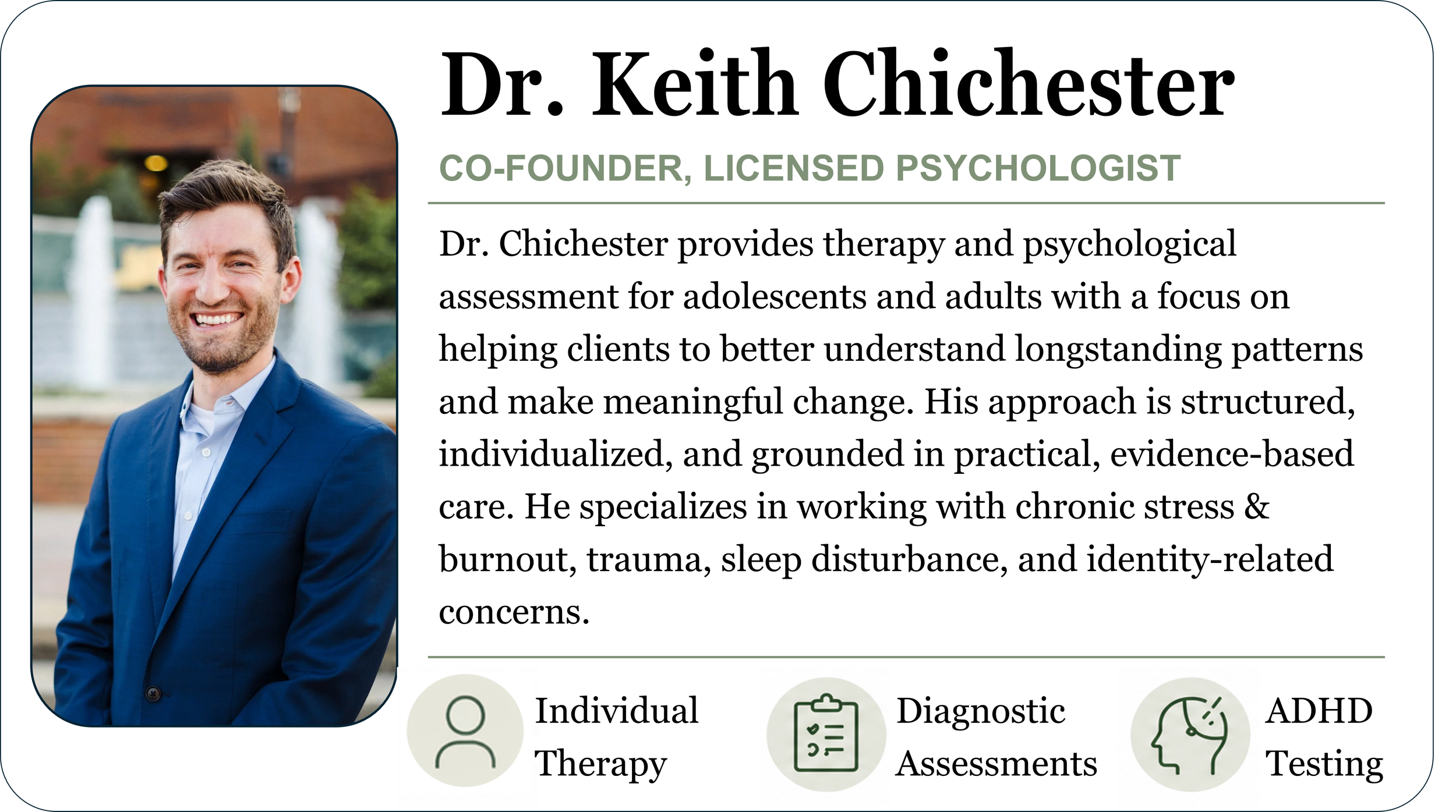
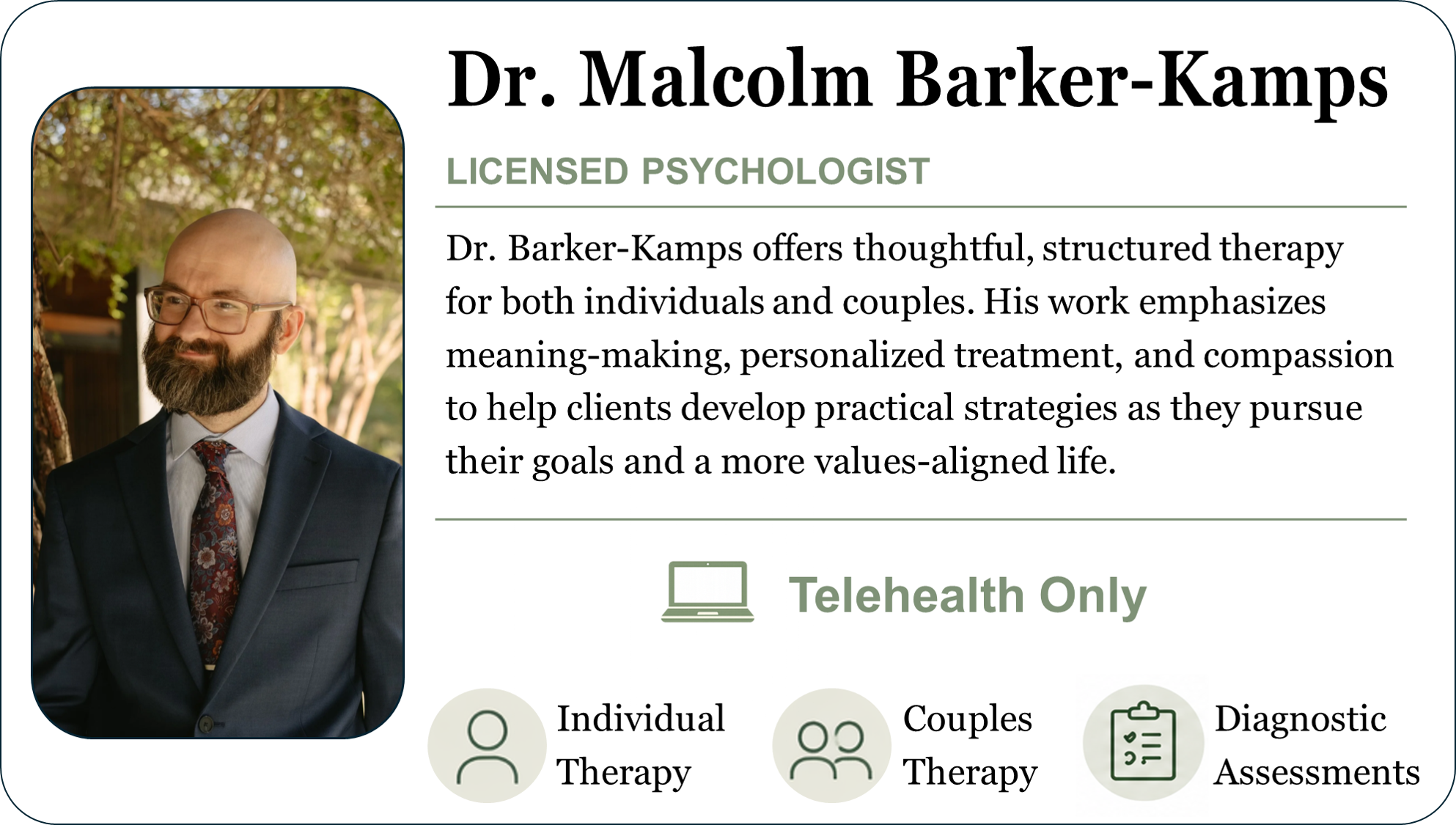
ALPS Providers Who Treat Anxiety