Treating Emotional Dysregulation
Evidence-Based Individual Therapy
Supportive, evidence-based treatment designed to help you navigate intense emotions with greater balance and confidence.
Start Therapy Sooner

Virtual & In-Person Sessions

Thoughtful, Collaborative Care

Emotional Dysregulation Can Feel Like:
Emotions that seem to arrive quickly, intensely, and without much warning
Difficulty calming down once you're upset, frustrated, hurt, or overwhelmed
Feeling like your emotions often take over before you have a chance to think things through
Small setbacks, conflicts, or disappointments feeling much bigger than you wish they did
Regret after reacting strongly in moments that felt impossible to manage differently at the time
Exhaustion from constantly trying to manage emotional highs, lows, and everything in between
Wanting to feel more in control of your emotions while feeling unsure how to get there
Emotional dysregulation can affect your relationships, confidence, and overall sense of stability.
There are ways to start feeling more like yourself again. At ALPS, we use a range of therapy approaches to help you get there.
-
Rather than trying to eliminate painful thoughts or emotions, ACT helps you respond to them differently. You learn how to step back from unhelpful patterns and focus your energy on what’s important to you. Even when things feel difficult, the goal is to keep moving toward a life that feels more meaningful and fulfilling.
-
Through CBT, we explore the connections between your thoughts, emotions, and behaviors. You learn to recognize patterns that may be keeping you stuck and develop more helpful ways of responding. Over time, this can reduce emotional distress and make situations feel more manageable. The goal is to build practical skills you can use in your everyday life.
-
Dialectical Behavioral Therapy helps you develop practical strategies for managing overwhelming emotions, navigating stress, and responding to situations in ways that feel more effective and grounded. Rather than feeling controlled by intense reactions or stuck in unhealthy patterns, you learn skills for slowing things down, tolerating distress, communicating more clearly, and staying connected to what matters to you. Over time, these tools can help create greater emotional stability, improve relationships, and make difficult moments feel more manageable.
-
IPT helps you understand how interactions with others and changes in your life may be contributing to stress or emotional difficulties. Together, we work on strengthening relationships, navigating difficult situations, and building more supportive connections over time.
-
Mindfulness and relaxation-based approaches help you develop greater awareness of your thoughts, emotions, and physical responses while learning ways to slow down and reduce overwhelm. Together, we work on building practical skills that support grounding, stress reduction, emotional regulation, and a greater sense of presence in daily life. Over time, these strategies can help you feel calmer, more connected to yourself, and better able to navigate difficult moments with flexibility and intention.

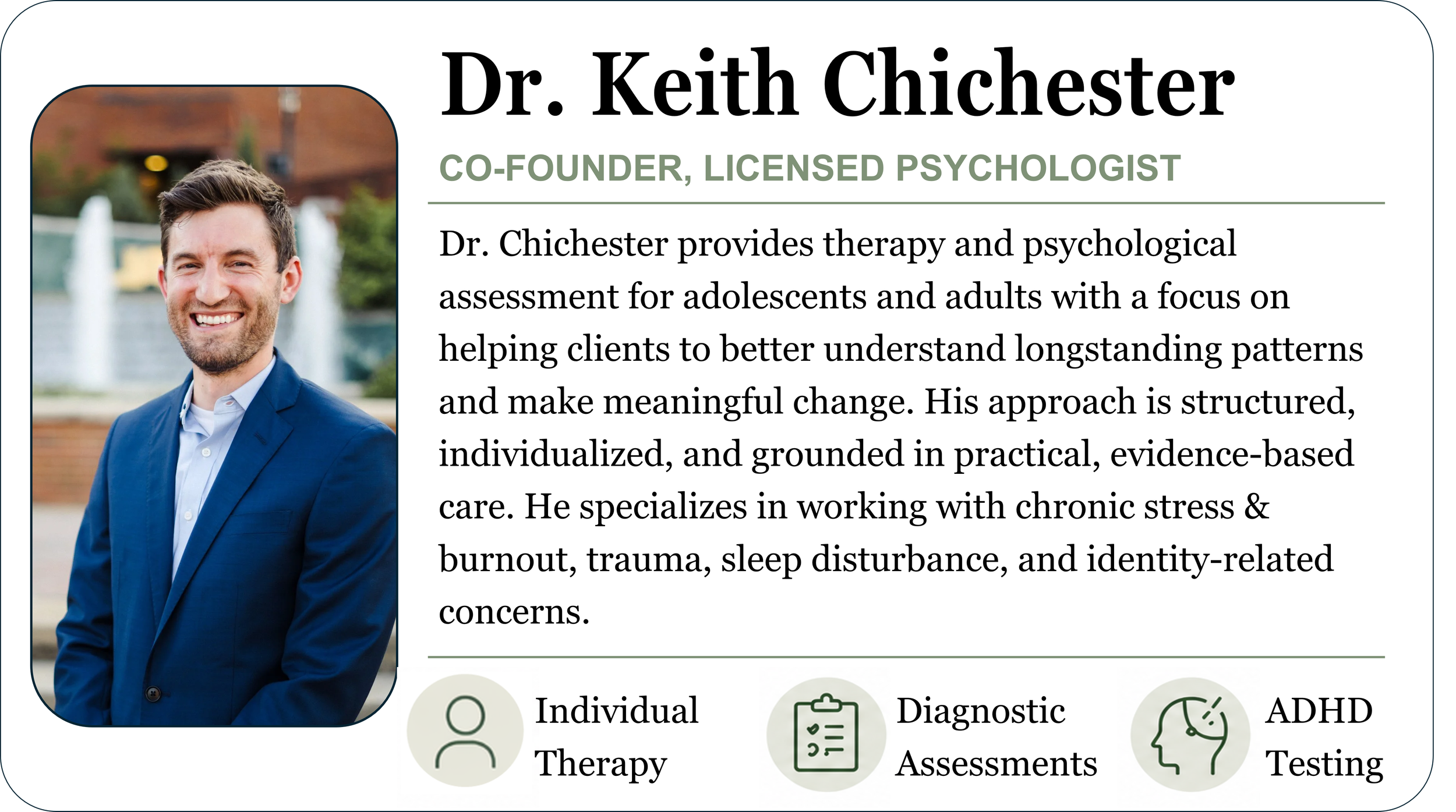
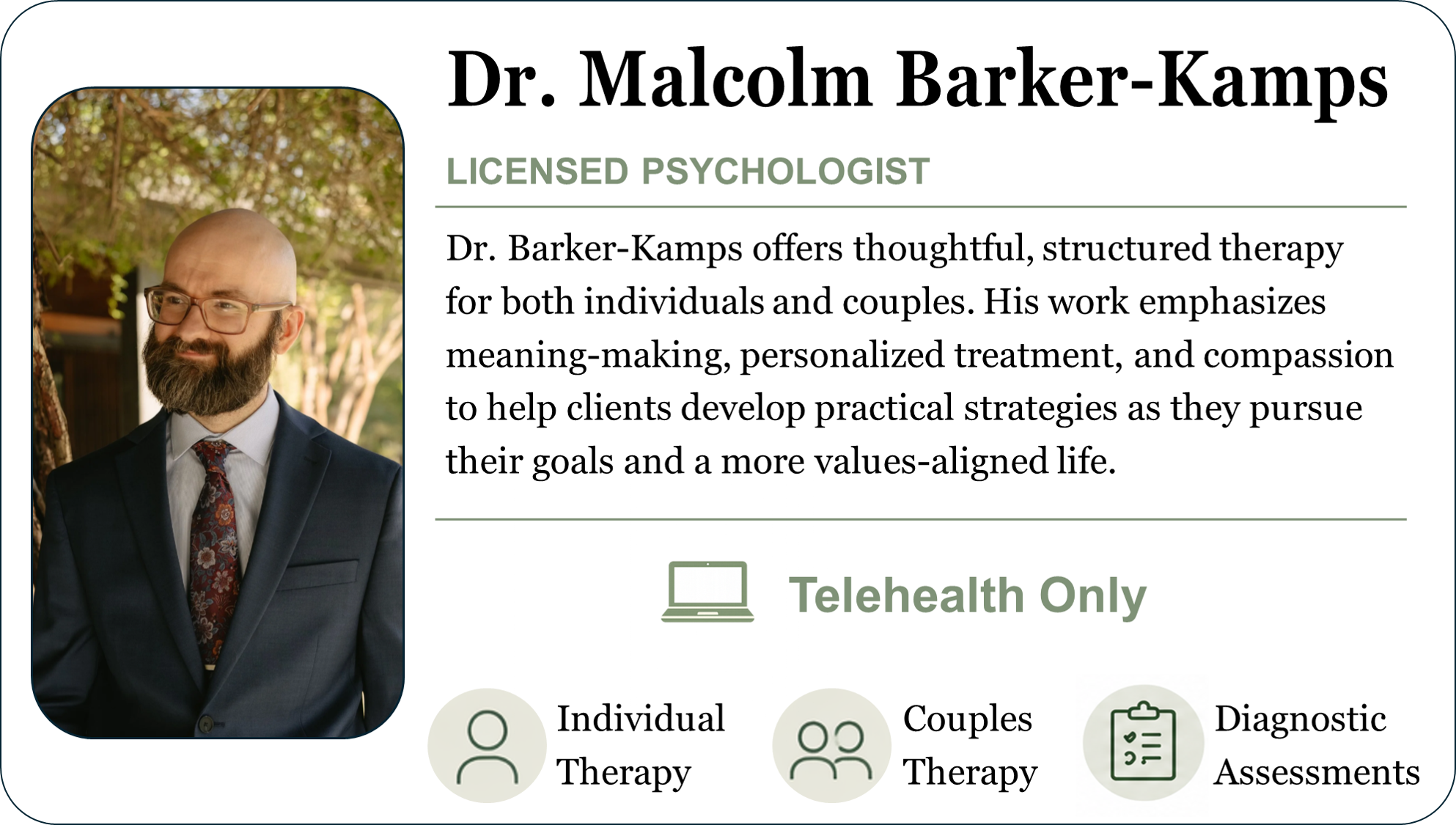
ALPS Providers Who Treat Emotional Dysregulation