Treating Grief and Loss
Evidence-Based Individual Therapy
Grief rarely follows a predictable path. Whether your loss feels recent or long-standing, therapy can provide a space to process it in your own way and at your own pace.

Start Therapy Sooner

Virtual & In-Person Sessions

Thoughtful, Collaborative Care

Grief and Loss Can Feel Like:
Carrying the weight of someone's absence into moments where you expected them to still be there
Feeling pulled between wanting to move forward and wanting to hold tightly to what has been lost
Experiencing waves of sadness, longing, anger, guilt, relief, or confusion that seem to come and go without warning
Struggling to adjust to a life, routine, relationship, or future that looks different than you imagined
Feeling disconnected from other people who may not fully understand the depth or complexity of your loss
Wondering whether what you're experiencing is "normal" when grief doesn't seem to follow a clear timeline
Trying to find meaning, stability, or a sense of direction after something important has changed forever
Some losses reshape the way you understand yourself, your relationships, and your future.
There are ways to start feeling more like yourself again. At ALPS, we use a range of therapy approaches to help you get there.
-
Rather than trying to eliminate painful thoughts or emotions, ACT helps you respond to them differently. You learn how to step back from unhelpful patterns and focus your energy on what’s important to you. Even when things feel difficult, the goal is to keep moving toward a life that feels more meaningful and fulfilling.
-
Through CBT, we explore the connections between your thoughts, emotions, and behaviors. You learn to recognize patterns that may be keeping you stuck and develop more helpful ways of responding. Over time, this can reduce emotional distress and make situations feel more manageable. The goal is to build practical skills you can use in your everyday life.
-
Narrative Therapy focuses on the stories we develop about ourselves, our relationships, and our experiences over time. Sometimes difficult experiences, losses, challenges, or labels can begin to shape how we see ourselves in ways that feel limiting or discouraging. This approach helps you explore those narratives with greater curiosity, identify strengths and values that may have been overlooked, and develop a more balanced and empowering understanding of your life and experiences. Over time, Narrative Therapy can help foster greater self-understanding, resilience, and a stronger sense of agency in shaping the future you want to create.
-
Mindfulness and self-compassion practices help you develop a different relationship with difficult thoughts, emotions, and experiences. Rather than responding with self-criticism, avoidance, or constant pressure to “push through,” these approaches focus on cultivating greater awareness, acceptance, and kindness toward yourself during challenging moments. Over time, mindfulness and self-compassion can help reduce emotional distress, strengthen resilience, and create a greater sense of balance, flexibility, and well-being in daily life.

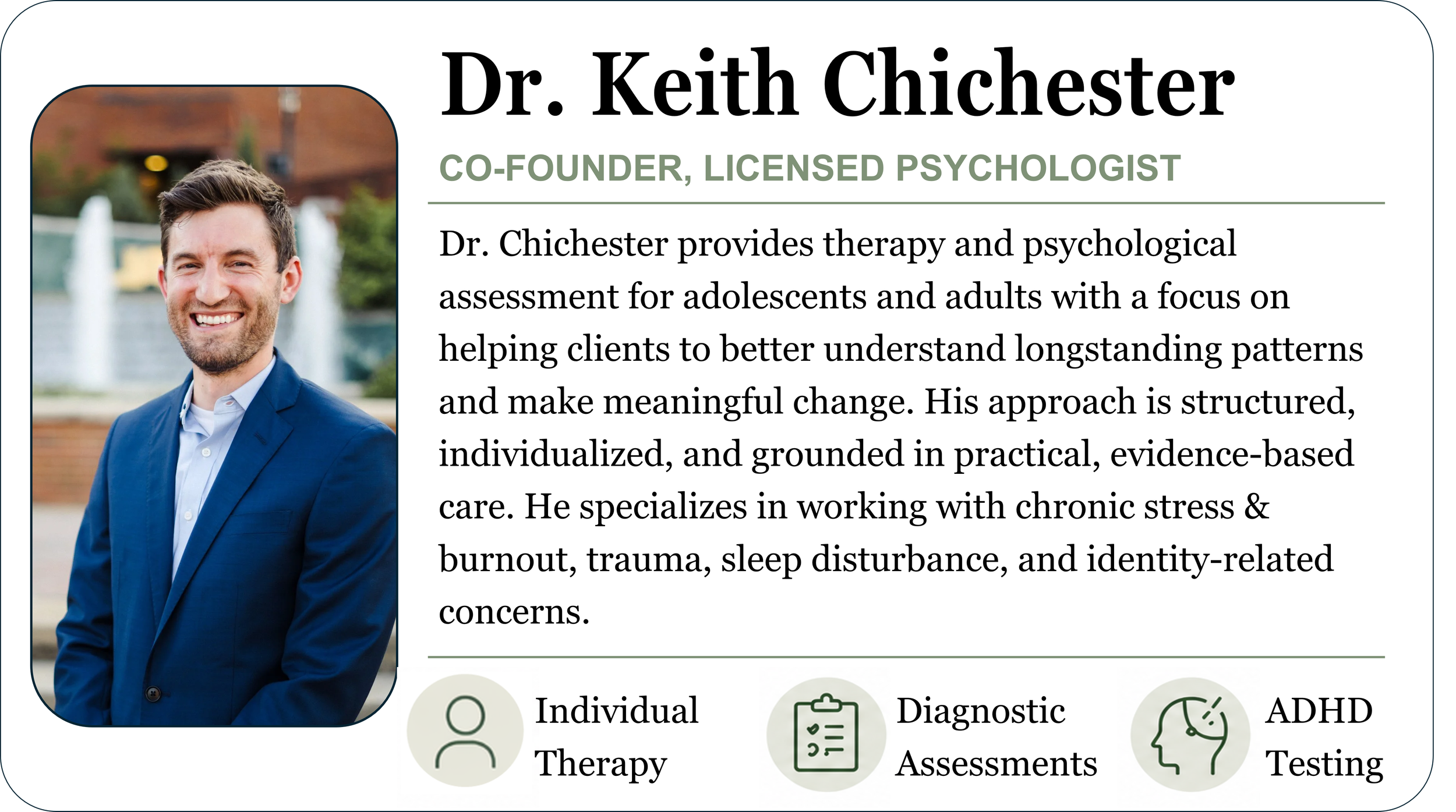
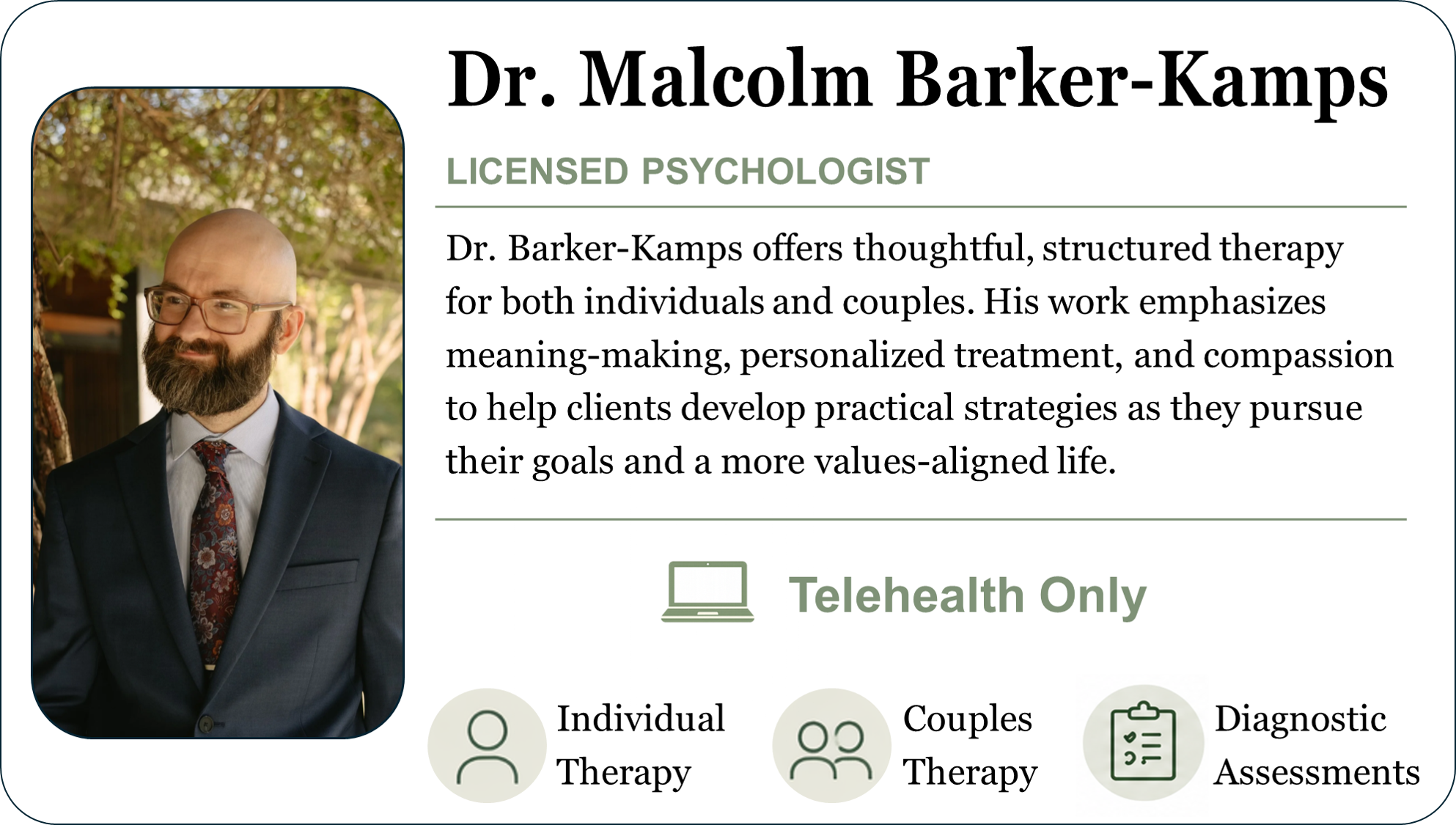
ALPS Providers Who Treat Grief and Loss