Managing Chronic Illness
Evidence-Based Individual Therapy
Evidence-based support for individuals living with chronic illness, chronic health conditions, or long-term medical concerns.
Start Therapy Sooner

Virtual & In-Person Sessions
Thoughtful, Collaborative Care

Managing Chronic Illness Can Feel Like:
Adjusting to a version of life that looks different than you expected or hoped for
Balancing medical appointments, treatments, symptoms, and responsibilities while trying to maintain a sense of normalcy
Grieving changes in your health, energy, independence, or ability to participate in activities you once enjoyed
Uncertainty about what the future may hold and how your condition may affect different areas of your life over time
Feeling misunderstood by others who may not fully appreciate the day-to-day impact of living with a chronic condition
Constantly adapting plans, expectations, and routines around symptoms, limitations, or fluctuations in your health
Wanting to live a meaningful and fulfilling life while navigating the challenges that come with ongoing medical concerns
Living with a chronic health condition can change how you experience your body, your future, and your day-to-day life.
There are ways to start feeling more like yourself again. At ALPS, we use a range of therapy approaches to help you get there.
-
Rather than trying to eliminate painful thoughts or emotions, ACT helps you respond to them differently. You learn how to step back from unhelpful patterns and focus your energy on what’s important to you. Even when things feel difficult, the goal is to keep moving toward a life that feels more meaningful and fulfilling.
-
BA focuses on small, realistic changes in your daily routines and activities that can gradually improve mood and energy. When it becomes harder to stay engaged, this approach helps you gently reintroduce structure and meaningful action. Over time, these small shifts can build momentum and make it easier to reconnect with your life.
-
Through CBT, we explore the connections between your thoughts, emotions, and behaviors. You learn to recognize patterns that may be keeping you stuck and develop more helpful ways of responding. Over time, this can reduce emotional distress and make situations feel more manageable. The goal is to build practical skills you can use in your everyday life.
-
Mindfulness and self-compassion practices help you develop a different relationship with difficult thoughts, emotions, and experiences. Rather than responding with self-criticism, avoidance, or constant pressure to “push through,” these approaches focus on cultivating greater awareness, acceptance, and kindness toward yourself during challenging moments. Over time, mindfulness and self-compassion can help reduce emotional distress, strengthen resilience, and create a greater sense of balance, flexibility, and well-being in daily life.

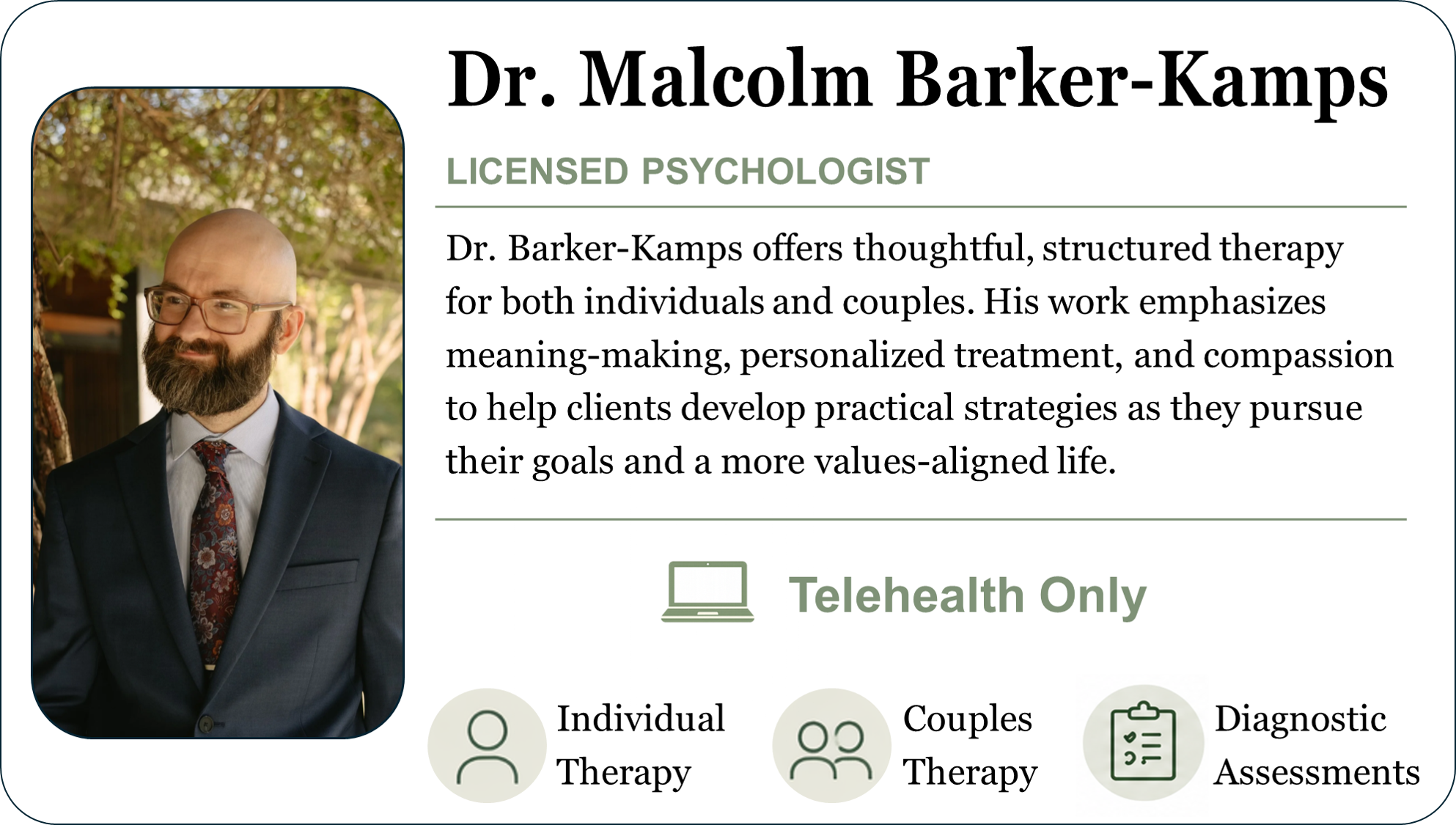
ALPS Providers Who Specialize in Managing Chronic Illness