
Treating Interpersonal Difficulties
Evidence-Based Individual Therapy
Whether you're seeking support as an individual or as a couple, therapy can help you better understand relationship patterns and build healthier ways of connecting.

Start Therapy Sooner


Virtual & In-Person Sessions

Thoughtful, Collaborative Care

Relationship Difficulties Can Feel Like:
Repeating the same conflicts or misunderstandings without feeling like anything truly changes
Wanting to feel closer to others while struggling to communicate your needs, feelings, or concerns effectively
Feeling stuck in patterns that leave you hurt, frustrated, disconnected, or misunderstood
Difficulty balancing your own needs with the needs and expectations of others
Tension, distance, or resentment that gradually builds within important relationships over time
Feeling lonely or disconnected even when you're surrounded by people who care about you
Wanting healthier, more satisfying relationships but feeling unsure how to create lasting change
Many interpersonal difficulties involve patterns that developed for good reasons but no longer serve us well.
There are ways to start growing towards the relationship you want. At ALPS, we use a range of therapy approaches to help individuals and couples develop new strategies for communication, managing conflict, and building a values-aligned life
-
Rather than trying to eliminate painful thoughts or emotions, ACT helps you respond to them differently. You learn how to step back from unhelpful patterns and focus your energy on what’s important to you. Even when things feel difficult, the goal is to keep moving toward a life that feels more meaningful and fulfilling.
-
Through CBT, we explore the connections between your thoughts, emotions, and behaviors. You learn to recognize patterns that may be keeping you stuck and develop more helpful ways of responding. Over time, this can reduce emotional distress and make situations feel more manageable. The goal is to build practical skills you can use in your everyday life.
-
Dialectical Behavioral Therapy helps you develop practical strategies for managing overwhelming emotions, navigating stress, and responding to situations in ways that feel more effective and grounded. Rather than feeling controlled by intense reactions or stuck in unhealthy patterns, you learn skills for slowing things down, tolerating distress, communicating more clearly, and staying connected to what matters to you. Over time, these tools can help create greater emotional stability, improve relationships, and make difficult moments feel more manageable.
-
Integrative Behavioral Couple Therapy (IBCT) is an evidence-based approach that helps couples better understand recurring patterns of conflict, disconnection, and misunderstanding while strengthening emotional connection and communication. Rather than focusing solely on changing behaviors, IBCT emphasizes developing greater understanding, acceptance, and compassion for one another's differences and vulnerabilities. Together, couples learn to navigate challenges more effectively, improve communication, and build a relationship that feels more supportive, flexible, and resilient over time.
-
IPT helps you understand how interactions with others and changes in your life may be contributing to stress or emotional difficulties. Together, we work on strengthening relationships, navigating difficult situations, and building more supportive connections over time.

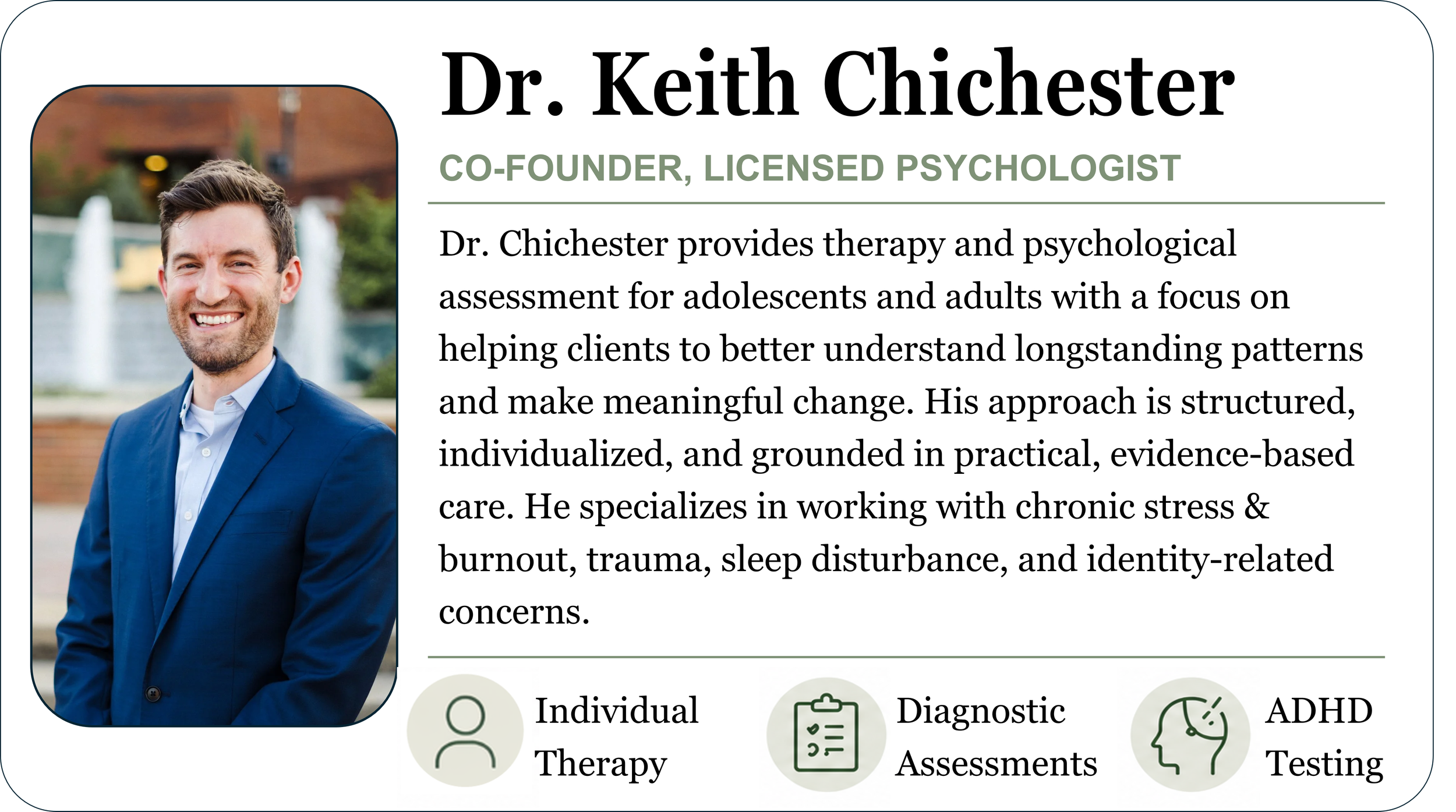
ALPS Providers Who Specialize in Interpersonal Difficulties for Individuals
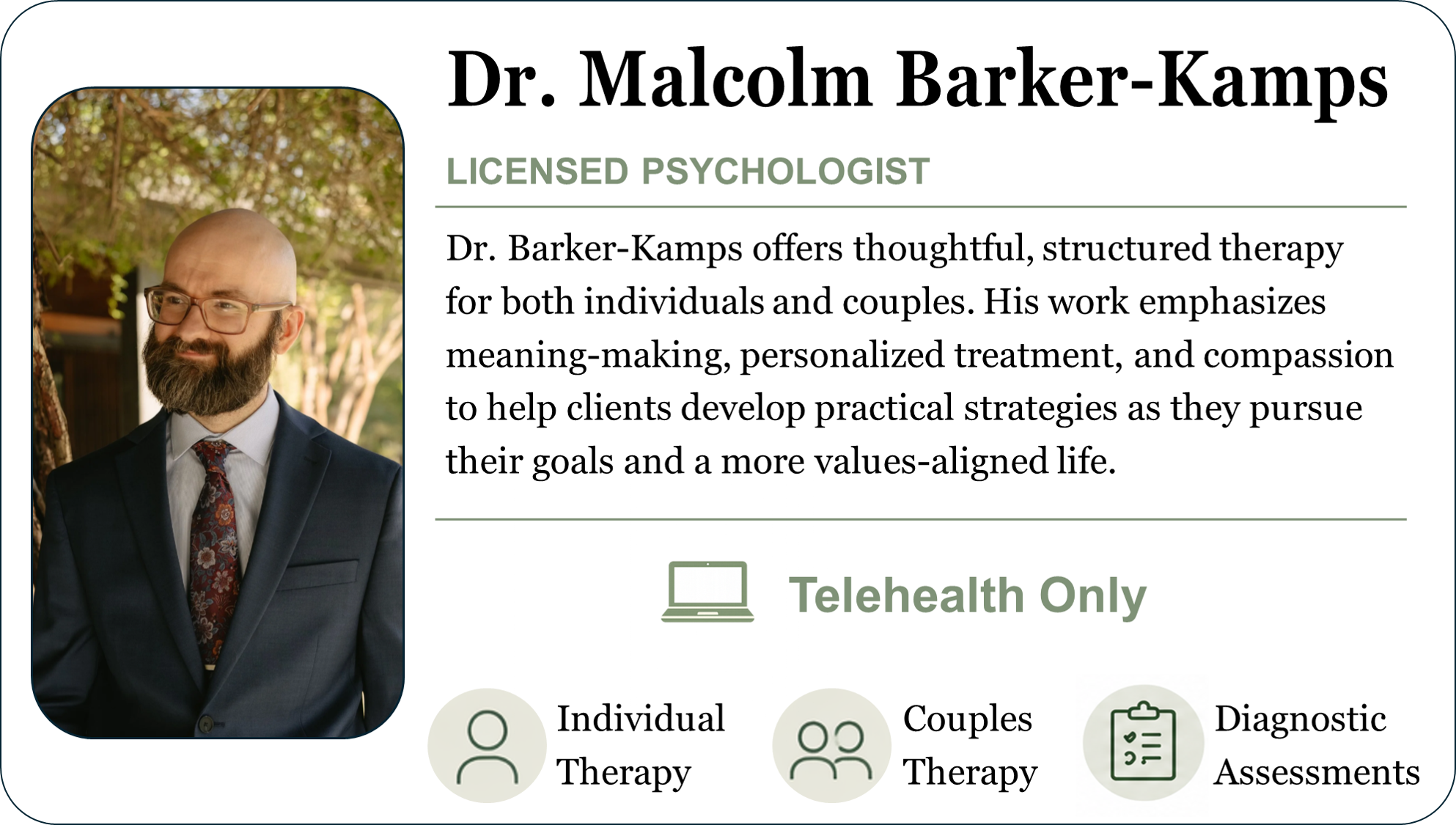
ALPS Providers Who Specialize in Interpersonal Difficulties for Couples