Smoking Cessation Treatment
Evidence-Based Individual Therapy
Evidence-based treatment for tobacco and nicotine use focused on reducing cravings, strengthening motivation, and maintaining change.
Start Therapy Sooner

Virtual & In-Person Sessions

Thoughtful, Collaborative Care

Nicotine Dependence Can Feel Like:
Wanting to quit while feeling frustrated that nicotine continues to have such a strong hold on your daily life
Reaching for cigarettes or a vape automatically during moments of stress, boredom, frustration, or routine
Feeling caught between knowing the benefits of quitting and worrying about cravings, withdrawal, or setbacks
Repeatedly trying to stop or cut back, only to find yourself returning to old habits when life becomes stressful or overwhelming
Frustration with the amount of time, energy, and attention spent thinking about smoking or trying not to smoke
Worrying that quitting may feel harder than you can handle, even though part of you is ready for change
Wanting greater freedom, health, and control without feeling dependent on nicotine to get through the day
Smoking often becomes connected to stress relief, comfort, routines, and coping in ways that can be difficult to untangle alone.
There are ways to start feeling more like yourself again. At ALPS, we use a range of therapy approaches to help you get there.
-
Rather than trying to eliminate painful thoughts or emotions, ACT helps you respond to them differently. You learn how to step back from unhelpful patterns and focus your energy on what’s important to you. Even when things feel difficult, the goal is to keep moving toward a life that feels more meaningful and fulfilling.
-
Through CBT, we explore the connections between your thoughts, emotions, and behaviors. You learn to recognize patterns that may be keeping you stuck and develop more helpful ways of responding. Over time, this can reduce emotional distress and make situations feel more manageable. The goal is to build practical skills you can use in your everyday life.
-
Mindfulness and relaxation-based approaches help you develop greater awareness of your thoughts, emotions, and physical responses while learning ways to slow down and reduce overwhelm. Together, we work on building practical skills that support grounding, stress reduction, emotional regulation, and a greater sense of presence in daily life. Over time, these strategies can help you feel calmer, more connected to yourself, and better able to navigate difficult moments with flexibility and intention.
-
Motivational Interviewing is a collaborative approach that helps people explore ambivalence and strengthen motivation for change. Rather than telling you what to do, this approach focuses on understanding your goals, values, and concerns while helping you identify what feels most important to you. Together, we explore the factors that may be keeping you stuck, build confidence in your ability to make changes, and develop a path forward that feels realistic and personally meaningful. Over time, MI can help make change feel less overwhelming and more aligned with the life you want to create.

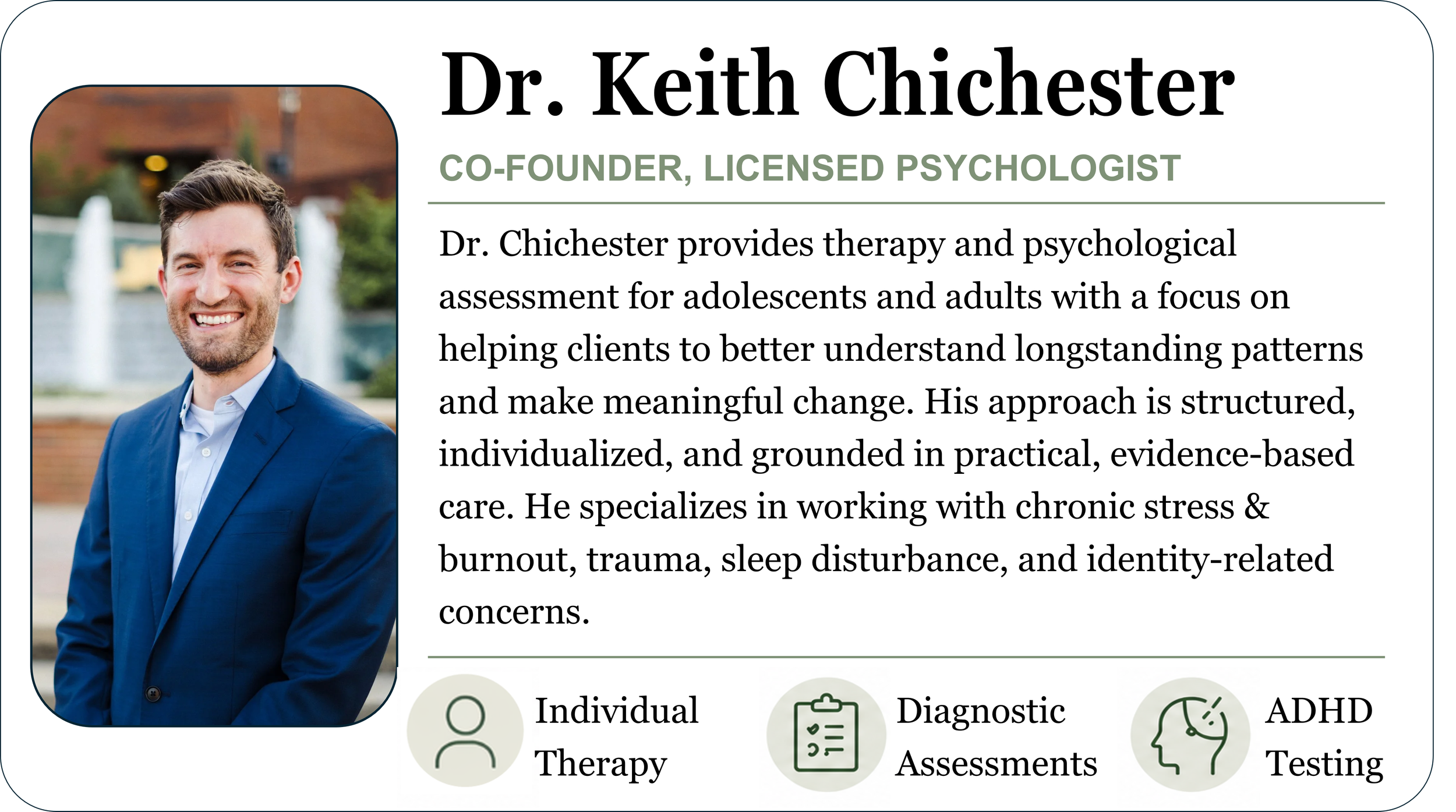
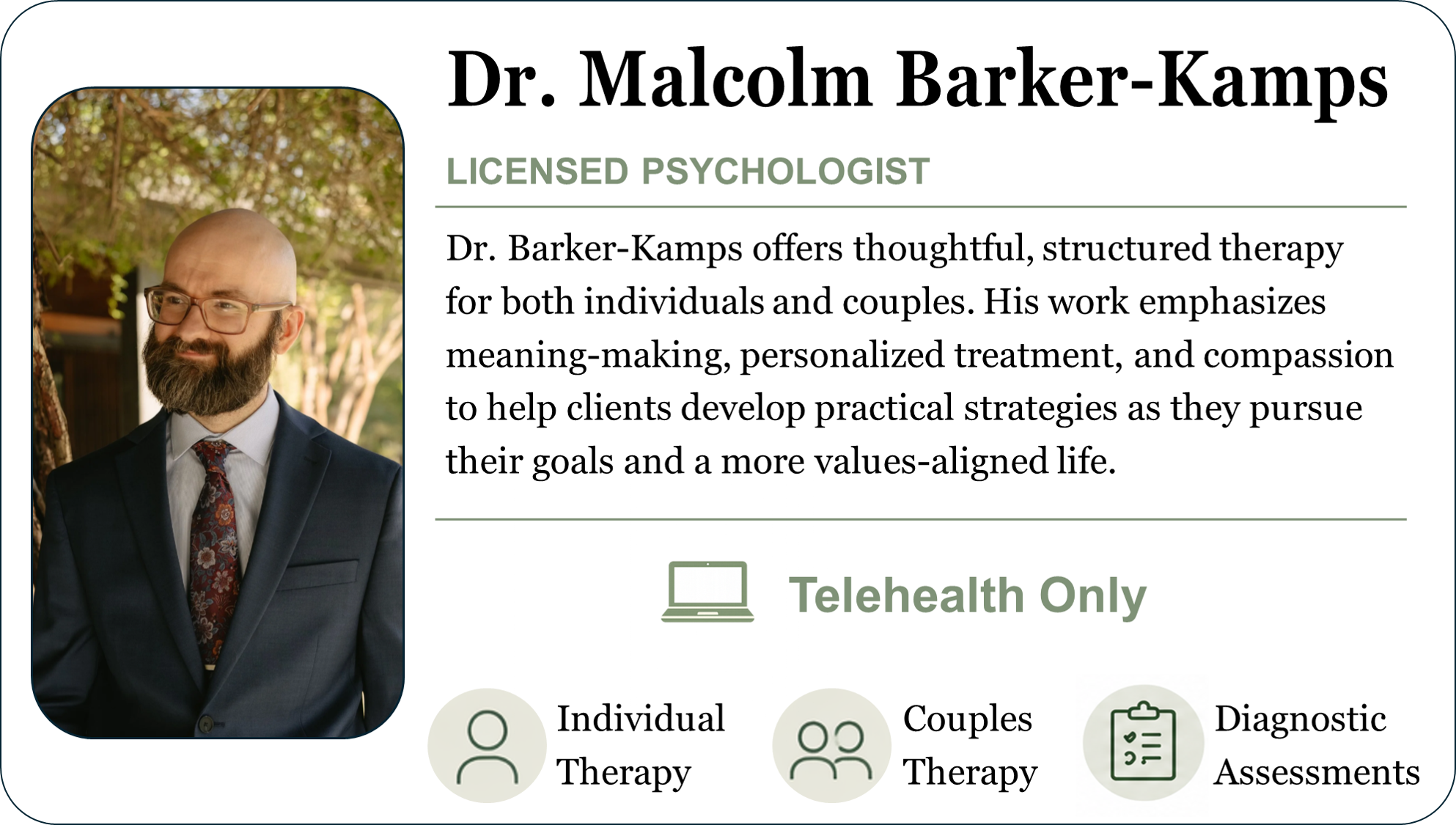
ALPS Providers Who Treat Insomnia and Sleep Disturbance