Relaxation Training
Evidence-Based Individual Therapy
Expert-led depression therapy focused on helping you regain motivation, improve mood, and reconnect with what matters in your life.
Start Therapy Sooner
Virtual & In-Person Sessions
Thoughtful, Collaborative Care

Chronic Stress & Tension Can Feel Like:
A mind that rarely seems to slow down, even when you want to rest or relax
Carrying tension in your body without fully realizing how much stress you're holding
Feeling constantly "on," alert, or responsible for anticipating what might go wrong next
Difficulty enjoying downtime because your thoughts keep pulling you toward worries, tasks, or responsibilities
Exhaustion from operating in survival mode for so long that stress begins to feel normal
Feeling disconnected from moments of calm, rest, or enjoyment even when opportunities for them exist
Wanting to feel more relaxed and present but not knowing how to get there consistently
Persistent tension can leave you feeling exhausted, distracted, and disconnected from a sense of balance.
There are ways to start feeling more like yourself again. At ALPS, we use a range of therapy approaches to help you get there.
-
Rather than trying to eliminate painful thoughts or emotions, ACT helps you respond to them differently. You learn how to step back from unhelpful patterns and focus your energy on what’s important to you. Even when things feel difficult, the goal is to keep moving toward a life that feels more meaningful and fulfilling.
-
Diaphragmatic breathing is a relaxation technique that helps calm the body's stress response by encouraging slower, deeper breathing from the diaphragm rather than the chest. When practiced regularly, it can reduce feelings of tension, anxiety, and physical overwhelm while promoting a greater sense of calm and control. Over time, diaphragmatic breathing can become a practical tool for managing stress, regulating emotions, and helping your mind and body return to a more balanced state during difficult moments.
-
Mindfulness and self-compassion practices help you develop a different relationship with difficult thoughts, emotions, and experiences. Rather than responding with self-criticism, avoidance, or constant pressure to “push through,” these approaches focus on cultivating greater awareness, acceptance, and kindness toward yourself during challenging moments. Over time, mindfulness and self-compassion can help reduce emotional distress, strengthen resilience, and create a greater sense of balance, flexibility, and well-being in daily life.
-
Progressive Muscle Relaxation is a technique that helps reduce physical tension by systematically tensing and relaxing different muscle groups throughout the body. This process increases awareness of how stress and anxiety may be held physically while teaching the body how to return to a more relaxed state. Over time, PMR can help decrease feelings of tension, improve relaxation, and provide a practical tool for managing stress, anxiety, and emotional overwhelm in everyday life.

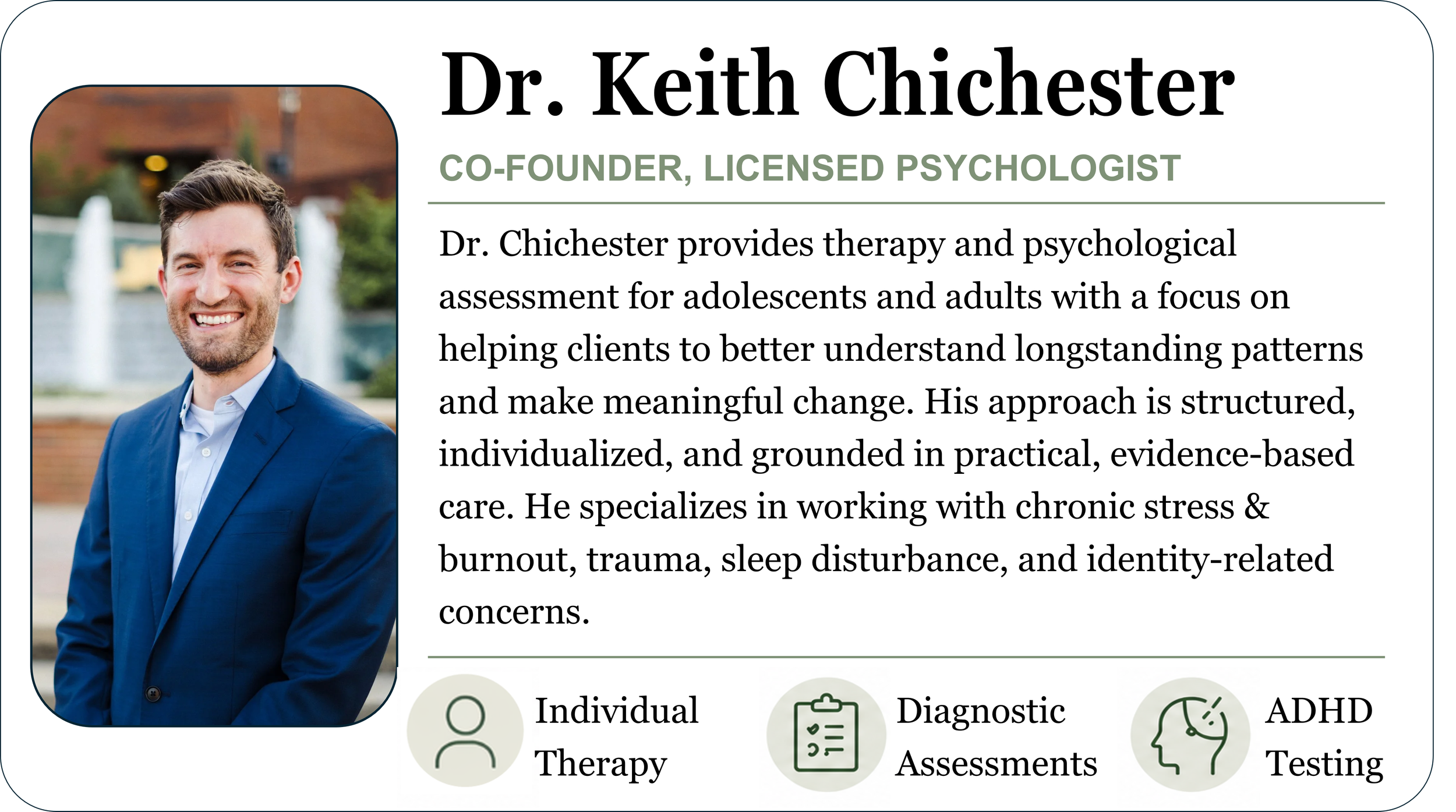
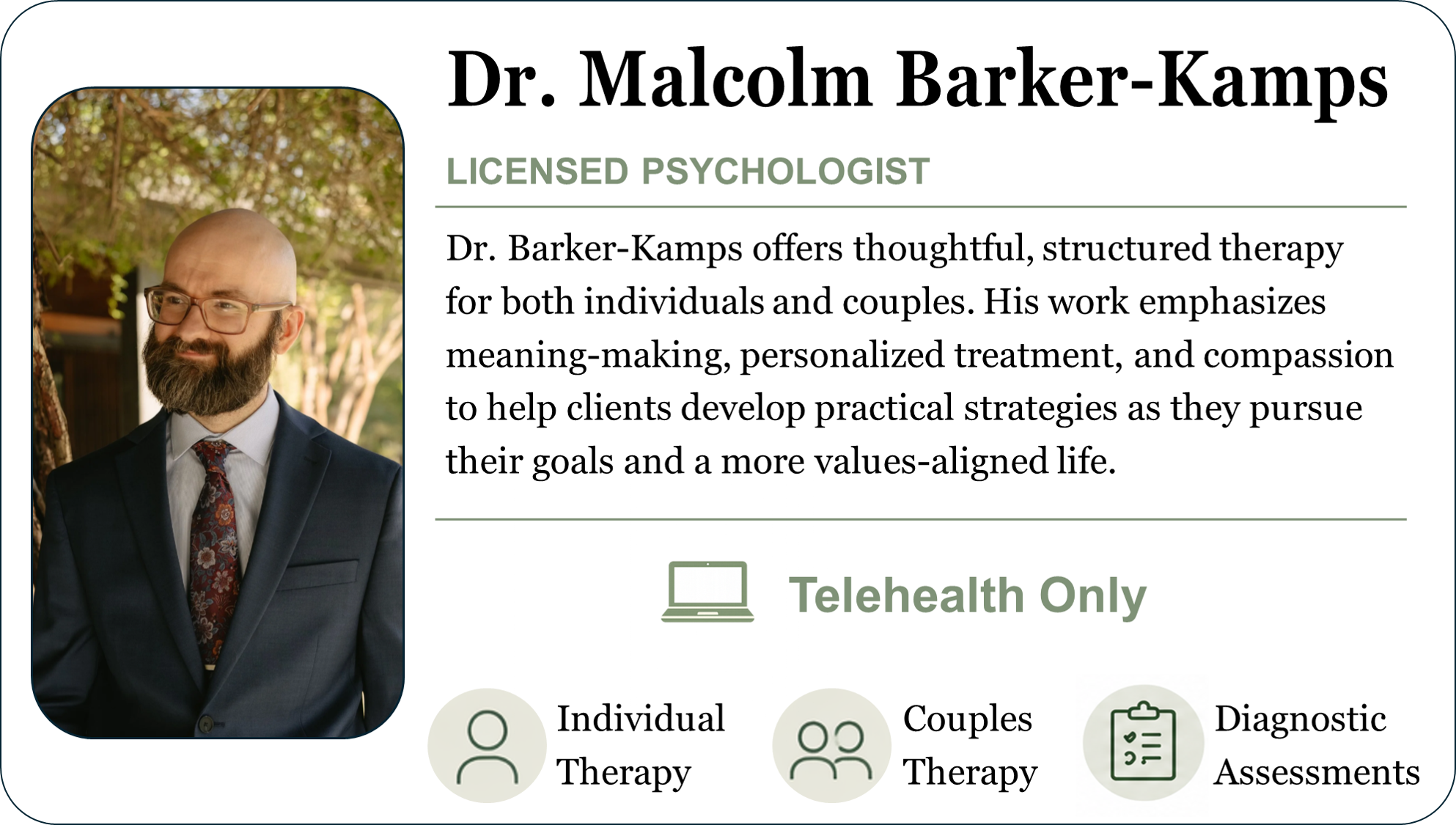
ALPS Providers Who Specialize in Relaxation Training